TL;DR
The average UK worker earns more than previous generations but owns significantly less. While salaries hit record highs, the rental shift and locked wealth of pensions create a paper illusion of prosperity, leaving millions feeling financially stranded despite meeting every traditional metric of success.
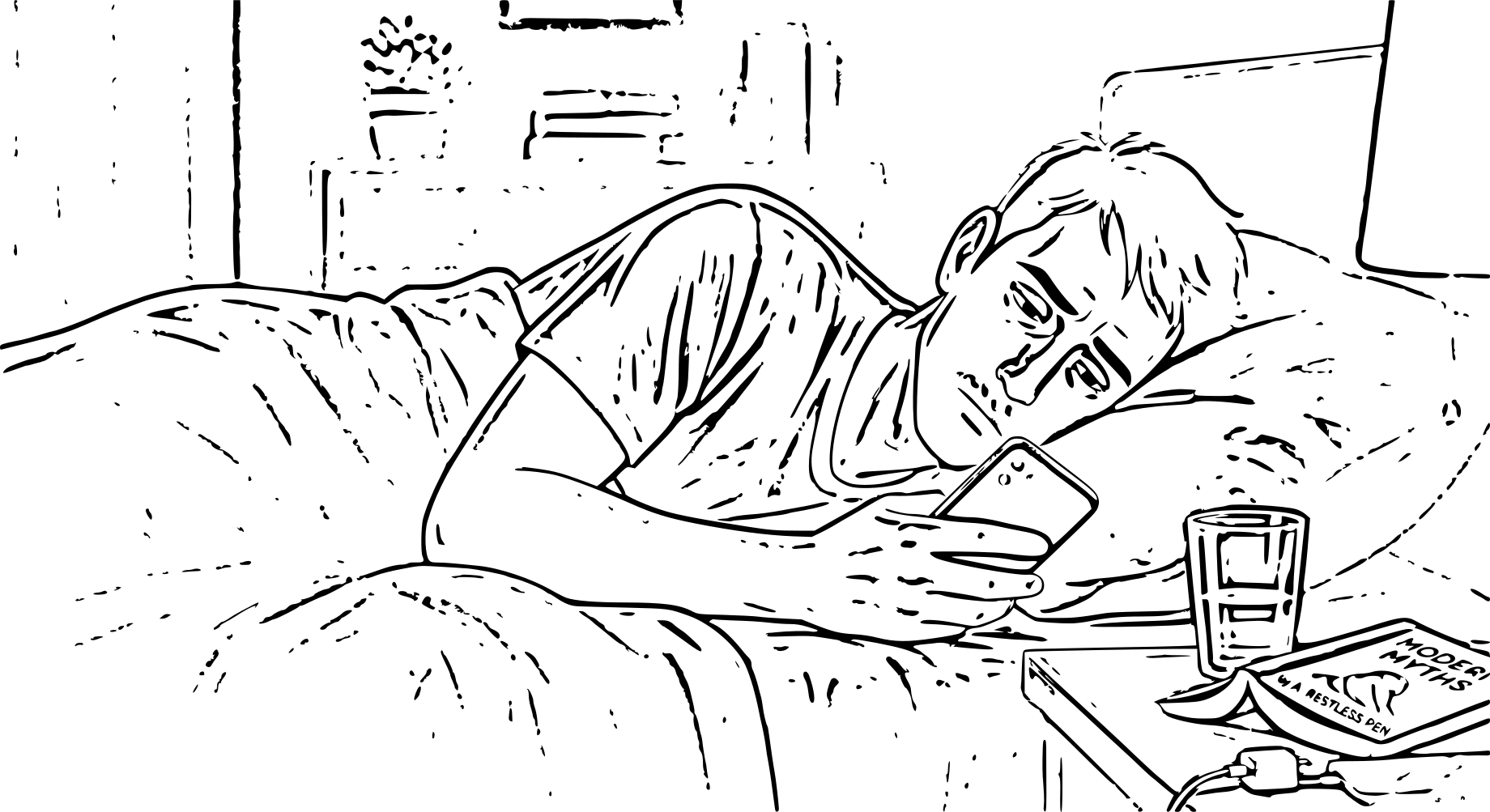
The Down-Escalator
Theo sat in a puddle of golden morning light in his shared Hackney flat, staring at his banking app. According to every green arrow and "wealth health" notification, Theo was a success.
At twenty-eight, Theo earned £39,039 a year—almost perfectly matching the median for a UK worker in 2026. On paper, he was out-earning what his father had made at the same age, even after adjusting for decades of inflation. By the cold logic of national averages, Theo was thriving.
But as he sipped the last of the instant coffee he'd stretched to make the jar last until payday—Theo didn't feel like a success. He felt like a man walking up a down-escalator that was steadily picking up speed.
A Different Map
"You've got more in the bank than I ever did at your age," his father had told him over Christmas, nodding at Theo's phone.
His father wasn't lying, but he was looking at a different map. In the mid-nineties, two-thirds of people Theo's age owned the roof over their heads. Today, that number has evaporated to barely a quarter. Theo was part of the "Rental Shift"—a generation where the average person owns nothing but the furniture they'll have to move in eighteen months.
Theo stared at his rental agreement—the only paperwork he had to show for a decade of work. In 1996, the average person his age already had a stake in the walls surrounding them, a growing piece of the earth to call their own. Theo had more cash in his pocket than his father ever did, but he owned none of the security that comes with having a front door you can't be asked to leave.
The word mortgage comes from the Old French mort-gage, meaning "dead pledge." It was a grim term for a loan that died once paid off. But Theo realised he didn't even have the luxury of the pledge. He was paying for someone else's equity, his monthly "pre-spend" disappearing into a landlord's portfolio before he even bought a loaf of bread.
Locked Behind Glass
A notification flickered on his screen from his pension provider. Total Value: £16,728. At first glance, it felt like a win—a “Paper Illusion” of prosperity that made him technically 'wealthier' than any generation of young workers before him. Thanks to automatic enrollment, he had this pot of money growing in the background, a future safety net held behind a glass wall.
The problem? You can't use a 2055 pension to pay for a 2026 rent hike.
This "Locked Wealth" created a strange psychological friction. On a balance sheet, Theo was a man of means. In reality, he was one of the millions who felt they could barely afford an unexpected £850 car repair. He was "pre-spending" his life—his income swallowed by student debt interest and "Essential Inflation."
The Price of a Life
While TVs and smartphones had become cheaper since his father's day, the things that actually build a life—housing, education, and energy—had undergone a vertical climb. Theo had started his adult life with a £45,000 debt "anchor" his father had never carried. He wasn't poorer because he was lazy; he was living in a more expensive puzzle.
Theo turned off his phone. He was tired of being a data point in someone else's success story.
The national average didn't account for the person behind the screen, and it certainly didn't account for his own power to change the story. He walked out of his flat and headed to a local park, where he sat and watched an elderly man teach a toddler how to kick a ball. In that moment, the maths felt irrelevant. He realised he'd been treating his life like a high-stakes comparison: his salary versus his father's, his savings versus the rising cost of everything. He had been so busy measuring the gap between where he was and where he 'should' be that he'd forgotten he could choose a different path entirely.
He took out a small “physical” notebook. No apps. No automated charts. He began to draft a new game plan—one that prioritised feeling secure over looking successful.
Closing the Tabs
Auditing the Essentials: He decided to stop paying the "Location Premium." By moving further out and doubling his commute, he could slash his rent by 15%. It wasn't a retreat; it was a tactical manoeuvre to reclaim his monthly cash flow.
Defining Security: Financial security wasn't a house in London anymore; it was the freedom to not panic. He vowed to build a "Survival Buffer"—three months of expenses kept in a boring, accessible account—before worrying about the "locked" wealth of his pension.
The Human Capital: Instead of just trading hours for a salary that struggled to keep pace with the world, he would invest in himself. He'd spend his Saturdays building a small photography business—creating a "passive income" stream that the new economy practically demanded for survival. As the sun climbed higher, Theo felt a strange sense of lightness.
The Real Foundation
The housing crisis was real, and the burden of debt was a systemic weight. But Theo was done chasing a hollow version of success. By looking closely at where his money actually went—and why—he discovered a margin of freedom he didn't know he had.
He wasn't "poorer" than his father; he was just navigating a different terrain. The old map—the one that promised a house, a pension, and a gold watch for following the rules—was folded up and put away. In its place was a new realisation: wealth isn't just what you own, it's what you don't owe.
Theo stood up, his mind clear. For the first time in years, when he looked at his bank balance, he didn't see a deficit. He saw a foundation.
This story is for educational and illustrative purposes only. It does not constitute professional advice.