TL;DR
Zoe suffered from severe anxiety and brain fog for a decade, assuming it was entirely mental. After learning from a nutritionist how a leaky gut sends panic signals up the vagus nerve, she overhauled her diet with whole foods. Repairing her gut barrier ultimately silenced her chronic physical panic.
A Decade of False Alarms
Zoe sat at her desk, her fingers frozen over her keyboard. On paper, she was a successful twenty-six-year-old professional managing her daily workload. But inside her head, a silent, invisible alarm was blaring.
For ten long years, a suffocating cloud of anxiety had dominated her life. It wasn't a normal nervousness about deadlines; it was a physical, clawing dread that made her chest tighten and her palms sweat before she even opened her eyes in the morning. Along with the panic came a heavy, unyielding brain fog that turned her documents into a blur of meaningless symbols.
For a long time, Zoe assumed the problem was purely mental. She had spent the last two years in intensive counselling and therapy sessions. The therapy was incredibly valuable. It gave her the emotional coping tools she needed and, crucially, ignited the motivation to finally stop ignoring her physical health. Specifically, she wanted to fix her chronic digestion problems. Ever since the anxiety had taken hold a decade ago, her digestion had never been the same. She was constantly bloated, alternating between sharp cramps and a persistent, aching discomfort.
Zoe decided to hire Simon, a clinical nutritionist who specialised in the gut-brain connection.
Consulting the Second Brain
During their first consultation in his quiet, calm clinic, Zoe sat across from Simon, looking thoroughly exhausted.
"I've made a lot of progress in therapy," Zoe explained, her voice quiet. "But the physical sensation of panic won't switch off. My brain feels like it's constantly waiting for a disaster, and my stomach is in a permanent knot. I feel like I'm doing everything right mentally, but my body isn't catching up."
Simon listened thoughtfully, then turned to his monitor to bring up a diagram showing the physical connection between the gut and the head.
"I'm glad you're here, Zoe, because you can't fully heal the mind without addressing the gut," Simon said, pointing to a thick nerve running from the base of the skull straight down to the abdomen. "This is the vagus nerve, a biological motorway. Eighty per cent of the signals travel up from your gut to your brain. Your digestive system has its own massive network of nerves, often called the second brain. It actually manufactures most of the body's primary chemical for happiness and emotional calm, serotonin. When your gut environment is constantly irritated and inflamed, it sends a direct, involuntary panic signal straight up into your head."
The Internal Leak
Simon clicked on his computer, showing a close-up view of the intestinal lining. The cells were packed tightly together like bricks in a fortress wall, sealed by protective proteins.
"This is your gut barrier," the nutritionist explained. "Its job is to let nutrients pass into your bloodstream while keeping toxins, undigested food, and bad bacteria out. But a steady diet of ultra-processed foods, artificial preservatives, and unavoidable environmental chemicals acts like a wrecking ball for this wall."
He explained how daily exposure to modern processed items disrupts the delicate microbiome, causing those tight cellular seals to break down, a state often called a 'leaky gut.'
"When the wall breaks, microscopic waste and bad bacteria leak directly out of your digestive tract and enter your bloodstream," Simon said. "Your immune system flags them immediately and triggers a full-scale physical defense. That inflammatory response travels right back up the vagus nerve, crosses into your brain, and disrupts your mood signals. It turns off your ability to feel calm and fires up sudden, intense feelings of anxiety. Your therapist gave you the mental tools to manage this, but now we need to physically repair the wall."
Rebuilding from Within
Instead of dwelling on the past decade of illness, Zoe focused entirely on taking action. Under Simon's guidance, she began an immediate, structured overhaul of her daily routine.
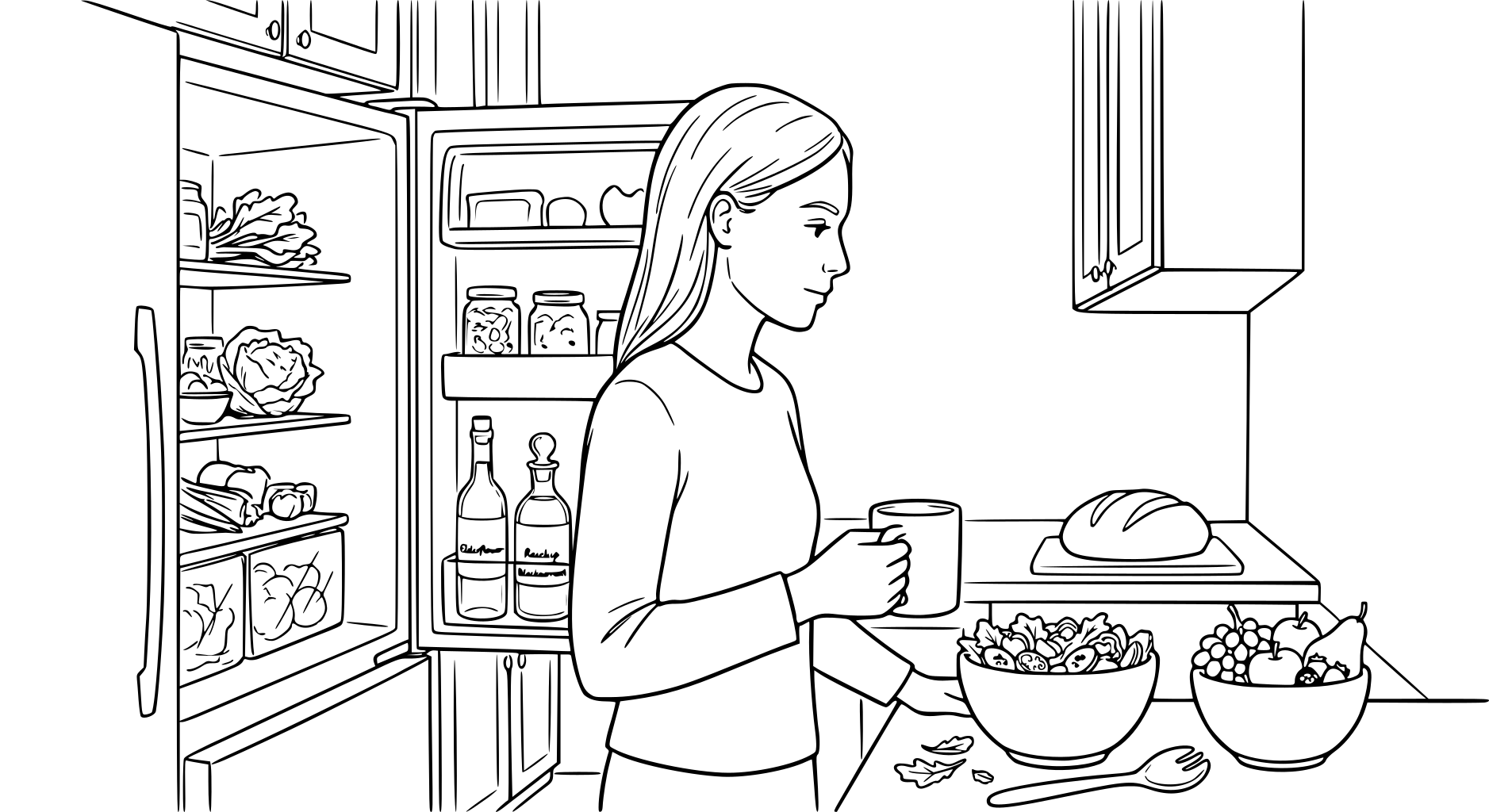
Zoe cleared out her kitchen. She completely stopped buying plastic-wrapped, ultra-processed convenience meals and sugary snacks that had been her survival fuel during busy work weeks. In their place, she transitioned to a daily menu built entirely on whole foods. She switched to a high-grade water filter to minimise her intake of everyday environmental toxins, and she started drinking traditional bone broths rich in amino acids, which provided the raw structural blocks her body needed to knit the intestinal lining back together.
To actively repopulate her gut microbiome with beneficial bacteria, she introduced daily portions of diverse fermented foods. Finally, she focused on clean, anti-inflammatory meals packed with leafy greens, healthy fats, and high-quality proteins to give her digestive tract a much-needed break from artificial additives.
The transition required discipline. The first two weeks were marked by sluggishness and intense cravings as her body adjusted to the sudden lack of chemical additives and preservatives. But by the fourth week, the physical changes were undeniable.
The persistent, painful bloating in her stomach completely vanished. And as the physical irritation in her gut went down, the mental fog began to lift. For the first time since her teens, Zoe woke up without the crushing weight of dread pressing down on her chest. Her thoughts felt clear, sharp, and steady.
Sitting at her desk one quiet evening, she successfully finished a massive work project without a single wave of panic. The echoing alarm in her head had finally fallen silent.
This story is for educational and illustrative purposes only. It does not constitute professional advice.